Walk into a perfect-binding room and the adhesive is the process. Signatures are gathered and clamped into a book block; the spine is milled and notched to expose paper fibres; a film of molten hot melt is rolled or extruded onto the spine; the cover is drawn on and nipped; and minutes later the book is trimmed on three sides and expected to open flat, flex and survive years of reading. In this manufacturer's range, bookbinding sits in the EVA family's territory — the granule line names bookbinding among its applications. How EVA granules do that work, and how a bindery specifies them, is a matter of format, melt behaviour and the page-pull standard the finished book must meet.
Why Granules, Why EVA
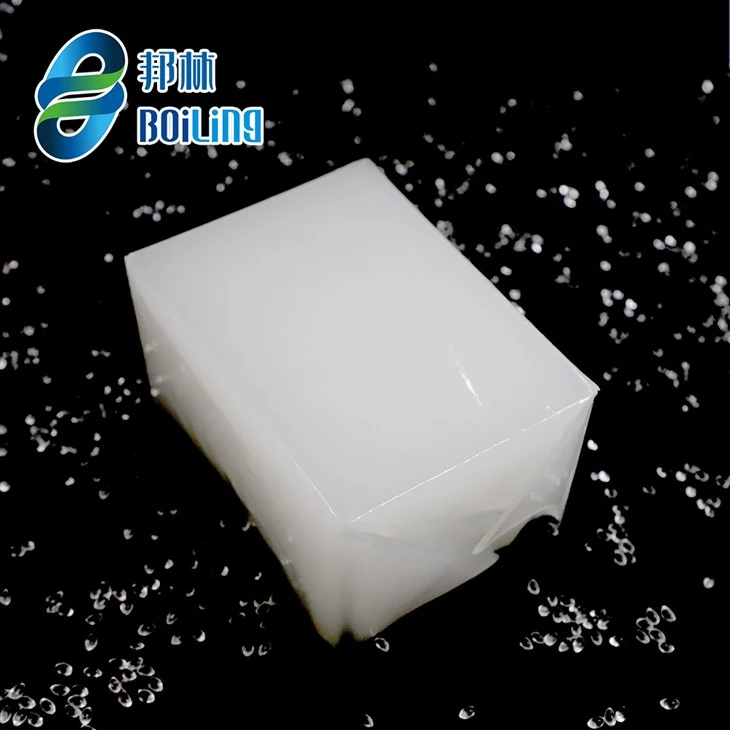
The granule format suits binderies mechanically. Perfect binders run glue stations that meter adhesive continuously through long shifts, and pellets feed those stations by gravity or vacuum without an operator cutting blocks. The manufacturer's granule description is written in exactly those terms: solid thermoplastic pellets, primarily EVA-based, melting into a low-viscosity liquid adhesive that bonds on cooling, positioned for automated, high-efficiency production lines. EVA itself suits spine work for its balance: it wets paper fibre aggressively when molten, sets fast enough for the binder's pace, and stays flexible enough in the finished spine for the book to open without cracking the bond.
The same granule listing states the format's general advantages — rapid melting and quick bonding for production efficiency, strong adhesion, stable bonding across climatic conditions, and a solvent-free, non-toxic, odour-free profile that is easy to clean and meets environmental expectations. Translated into bindery language: the glue pot reaches working state quickly at shift start, books can be trimmed and packed without long curing, the bindery has no solvent handling, and cleanup at grade change is a melt-out, not a chemical exercise.
The Spine Is a System, Not a Glue Choice
Experienced binderies know the adhesive is one variable in a four-variable system. Milling depth and notching decide how much fibre the adhesive can grip — a polished, under-milled spine will defeat any adhesive. Paper decides the rest of the grip: uncoated stocks bond generously; coated and glossy stocks present a sealed surface that punishes weak wetting and rewards the right grade and application temperature. Adhesive film thickness mediates both — too thin starves the spine, too thick wastes glue and stiffens the book. And temperature is the daily discipline: too cool and viscosity rises, wetting falls and pages pull; too hot for too long and the adhesive degrades in the pot, losing the very strength the shift is counting on.
This is why page-pull values — the bindery's standard strength measure — must be read as system results. A pull test failure is as likely to be a milling, paper or temperature finding as an adhesive finding, and the honest troubleshooting order is to check the process variables before changing the granule. When a bindery does change adhesive, it should change one variable, run production paper, and pull-test across the run — including books bound at the start of the pot's life and hours later.
Spine Glue and Side Glue Are Different Jobs
Many binderies run two adhesives: spine glue for the structural bond and a side glue for the cover's hinge areas, where flexibility and appearance dominate. EVA granules serve the spine role; side-gluing is a specification conversation of its own. A bindery sourcing both should say so in the enquiry, because the pair interact — open times and set speeds must suit the same machine cycle. State both positions, and the manufacturer confirms the applicable grade and supply scope for the spine position and for the side position separately in the reply.
Specifying Granules for a Bindery
- Work mix — paperback, hardcover casing-in support, manuals, catalogues; page counts and trim sizes that dominate your runs.
- Paper range — the coated and uncoated stocks you actually bind, heaviest and glossiest first.
- Machine and glue station — binder model class, application method (roller, nozzle, extrusion) and pot capacity.
- Climate — bindery and warehouse temperatures across the year; books bound in summer are read in winter.
- Quality bar — your page-pull standard and how you test it, so samples are judged on your scale.
Open Time and the Binder's Rhythm
Between the glue roller and the cover draw there is a small, decisive interval: the adhesive must still be molten and receptive when the cover meets the spine, yet set firmly by the time the book reaches trimming. That interval — the adhesive's open time matched to the machine's cycle — is why the same granule can behave differently on two binders running at different speeds. A slow, semi-automatic line asks for patience from the adhesive; a high-speed line asks for a fast, confident set. When a bindery specifies granules, its machine speed and cover-draw timing belong in the brief alongside the paper range, because the grade is being matched to a rhythm as much as to a substrate. Binderies changing machine class — upgrading from a bench binder to an automated line — should expect to re-qualify the adhesive, not merely to transfer the old purchasing line.
One more operational point deserves emphasis because it decides real-world strength more than grade selection does: pot management. EVA held at temperature for long idle periods degrades; binderies that top up little and often, respect the adhesive's working range, and avoid cooking a full pot through a quiet weekend get the performance the specification promises. The adhesive you buy is only ever as good as the pot it spends its life in.
Bookbinding rewards this systems thinking because the product is unforgiving: a failed spine is visible to every reader, forever. Specify the granule against your papers and your machine, test by pulling pages, and manage the pot like it matters — because in the bindery, it is the product. The granule in the bag is the cheapest part of a bound book; the spine it makes is the part the reader judges.
Are EVA granules the only option for perfect binding?
Reactive PUR systems exist for premium work, but EVA granules are the established bindery standard: economical, fast and well matched to automated lines.
Why do pages pull out even with a good adhesive?
Page pull is a system result — milling, paper, film thickness and temperature all contribute. Check the process variables in that order before blaming the granule.
What information does a granule quotation need?
Your work mix, paper range, machine and glue station, and your page-pull standard — the five points listed in this guide.
Send the application, substrate, application method and the quantity you need — the grade, sample route and price are confirmed per product in the written quotation.
Request a Quotation