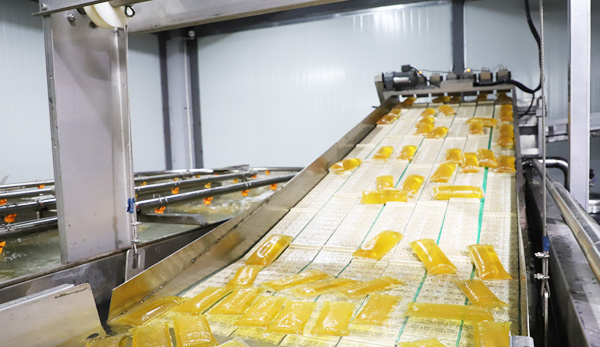
Pest control glue is the working layer of the glue trap industry: the permanently tacky coating on sticky boards, insect traps, roach and fly traps, fruit-fly traps, sticky balls and the agricultural monitoring traps hung in orchards and greenhouses. The manufacturer's pressure sensitive family documents pest control glue as a named category, with a product group that runs from insect glue traps and yellow sticky boards to roach and fly products and tree-applied pest bands — a wider territory than a single trap type, united by one adhesive behaviour: open, lasting tack that captures on contact.
The manufacturer's own category description sets out the working claims for this glue family: strong adhesion that captures crawling and flying pests effectively on contact; a formulation approach described as not relying on harmful chemicals, with relatively small impact on the environment and on non-target organisms; durability that keeps the surface tacky over a long service period outdoors; targeting that acts on the pests that touch it; and simple, low-cost application compared with chemical alternatives. Those are the category's stated characteristics — and they explain the specification: a pest glue is judged after weeks in the field, not on the day of coating, so staying tacky through heat, dust and weather is the whole product.
Trap Types in This Category
- Sticky boards and yellow boards — greenhouse and agricultural monitoring and mass trapping.
- Roach and fly traps — indoor pest products for homes, food premises and warehouses.
- Fruit-fly and insect traps — including sticky ball formats for orchards.
- Tree bands — the category description names application to branches, where crawling pests are intercepted.
What Is Confirmed Per Product
This application is documented as a category of the manufacturer's range rather than as one published parameter set, so no single specification table covers it. To have the grade for your job confirmed in the written quotation, send: the substrate and the surfaces being bonded; the application method and coat weight; the working and service temperatures; and the block form and quantity you need. The quoted grade's viscosity, softening behaviour, working temperature, block form and price are confirmed against those inputs, and proven with a sample before bulk.
A trap maker's enquiry should state the trap format, the coating method (full coat, stripe or dot), the carrier (board, film or plastic tray), and the service environment — greenhouse heat and outdoor weather age a glue very differently from an indoor roach station. Samples should be aged in the real environment before bulk; a trap that stops catching in week three is a failed product, however well it coated in week one.
How to Specify This Adhesive
A useful enquiry names five things: the substrate or material being bonded, the application method and equipment, the coat weight in grams per square metre where it is known, the temperature the bond must withstand in service, and the test standard your customer applies. Those five points are the same starting points the manufacturer's own customisation process uses when it opens a new formulation brief, and they let the laboratory match an existing grade before anyone talks about developing a new one.
If you are replacing an adhesive already in production, send its current grade name or a sample description — viscosity behaviour, colour and the failure you are trying to fix narrow the choice faster than a catalogue number. Samples are part of the documented route: free samples are listed on many product pages, and the freight arrangement for your sample is confirmed in the reply.
Supply, Packing and Samples
The documented minimum order on product listings is 1,000 kg, consistent with the 1-tonne minimum stated in the manufacturer's published frequently asked questions, and the documented production cycle is 7–15 days. Packing follows the listing for the grade — film-wrapped blocks are the standard form, with carton packing stated per product — and can be confirmed against your handling requirements in the quotation. Nothing on this page promises a grade's availability before the quotation confirms it for your specification.
Is the glue poisonous?
The category is described by the manufacturer as a capture-on-contact adhesive approach without reliance on harmful chemicals — the trap works by adhesion, not poison. Buyers with regulatory files should request the documents their market requires.
How long does it stay tacky?
Lasting tack over a long service period is the category's stated design characteristic. Your environment decides the real figure, so age samples in place before bulk.
What carriers can be coated?
Boards, films and trays across the documented trap types. Name your carrier and coating method in the enquiry.
Send the application, substrate, application method and the quantity you need — the grade, sample route and price are confirmed per product in the written quotation.
Request a Quotation